When you’re out exploring a cemetery or two or ten (hey, I’m not judging how many you want to visit in a day!) then you might find yourself noticing an item that’s quite the standout in a sea of boxy modern stones…
Tree stump tombstones
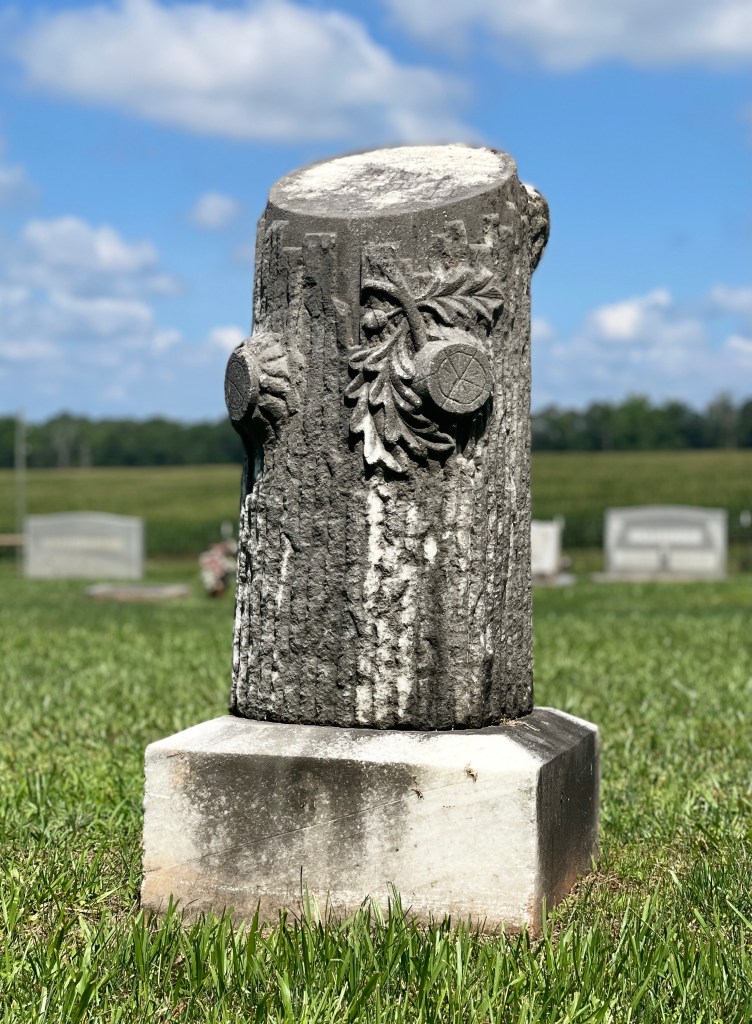
These gravestones were at the height of their popularity from 1880s-1920s as the Victoria Era (1830’s-early 1900’s) and the Romantic movement became more entrenched into the cultural aspects of the continental US.
Prior to this the majority of stones were often carved with small figures like this one, had only a small amount of etched font, featured skull & crossbones or were left plain. This was not the garden cemetery era and instead mostly sombre and serious affairs steeped in stoic simplicity were the commonplace.
But as the memorium movement moved toward nature-centric imagery as well as more of a feeling of a celebration of the life the individual lived, tree stump tombstones dotted the cemeteryscape with increasing regularity. They ranged from a simple vertical stump to tree stump benches, tree stump crosses, ledgers, etc. Decorations included birds, books, flowers, stars, and plants, and symbols along with logos ranging from the Elks to the Eastern Star to the Freemasons. Woodmen of the World, a popular insurance company that was known for their ax throwing events, often used this distinctive motif when burying their cohorts.
zinkies
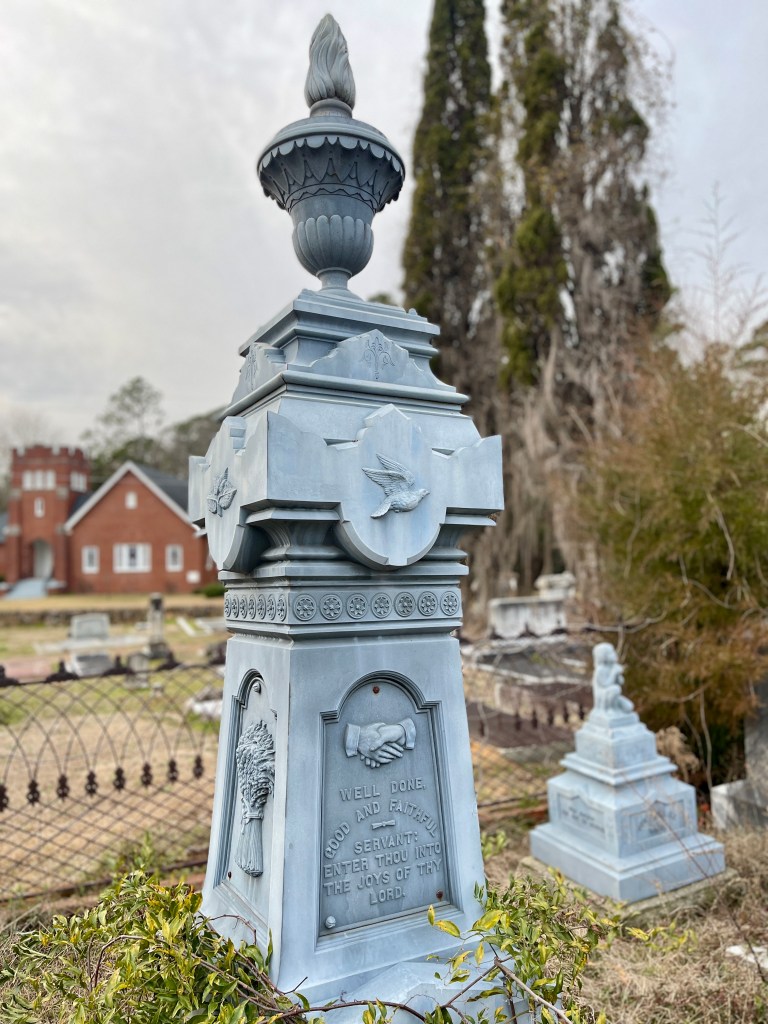
Officially sold under the name “White Bronze” but endearingly called “zinkies” by the Taphophile community, these structures have a very intriguing backstory.
They had a very short lifespan in cemetery memorial sales considering the longevity of marble, granite, etc. They were only sold from 1870s-1910s but since they were an incredibly affordable option during the time and they had a modern appeal and they were very durable and they had interchangeable options such as figures, letters and numbers that be could be added at a later date and you could order them delivered super fast (for the time period) from a catalog, they were quite popular for a while. Well, not for some since there has been a bit of a snobbish pall cast, I believe unfairly, over zinkies due to their being cheap! Some more formal or upper-class cemeteries even banned them in the name of aesthetics.
To create a zinkie, zinc was cast, sand-blasted, oiled and steamed to create the very recognizable matte finished bluish-grey color resembling stones like blue marble. Rust, moss and lichen resistant too! Really the only thing that gets a zinkie is becoming brittle over time and then shattering. There is zero bronze in these ‘White Bronze’ gravestones/monuments.
Zinkies are hollow and make a lovely sound when tapped. Because of it being known that they were empty on the inside a rumor started that bootleggers hid booze in them during the Prohibition Era. While I didn’t find anything to prove it, although the plates do bolt together from the inside which might deter those squirreling away liquor, I didn’t find anything to disprove it either. And who doesn’t like a good story?
The Monumental Bronze Company in Bridgeport, Connecticut was the premiere manufacturer of zinkies. During the WWI the production of the monuments ceased in order to make ammunitions but it started up again right after. Alas, the appeal waned and the company folded in 1939.
Zinkies are considered to somewhat rare since larger cemeteries will only have 1-3 of them if any. And there are more found in the Eastern US than anywhere else so if you’re on the other coast then you might have an even harder time finding one…
cast iron
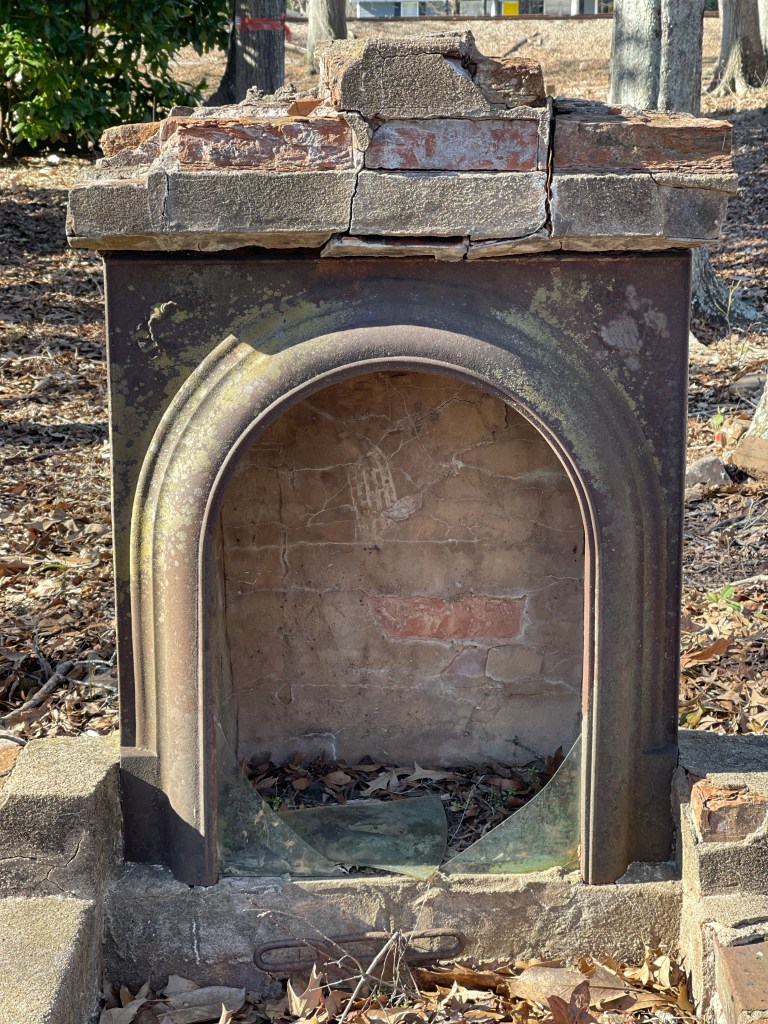
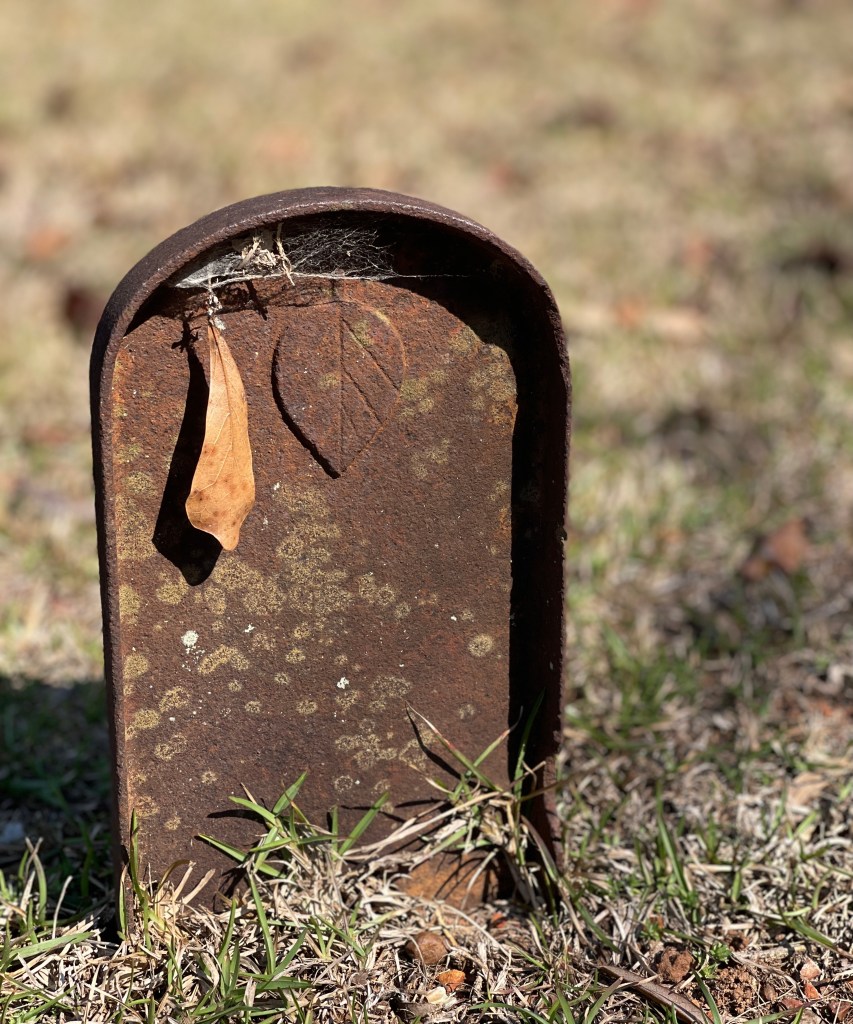
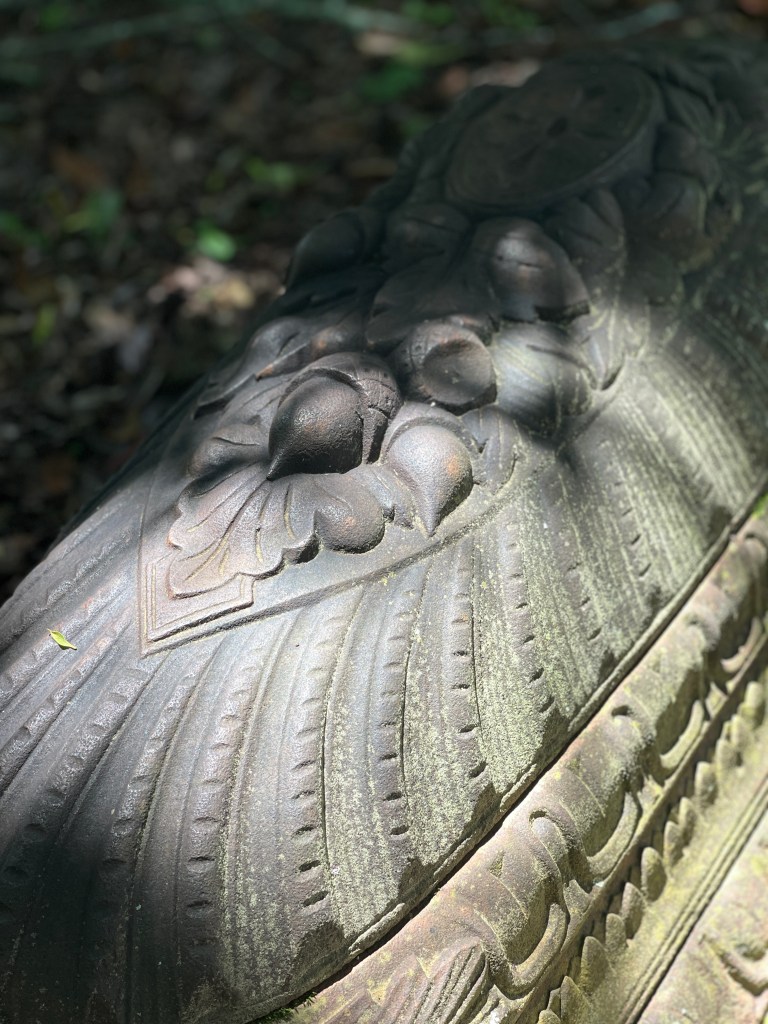
Another metal that could often be cast in a mold and sold for a bit more affordable price was cast iron. Fences for family plots, gates, grave markers, decorative elements, headstones, footstones, grave covers – you name it, it could be made with cast iron!
If/when you explore Southern cemeteries you’ll notice that a lot of cast iron is rusted or damaged. The heat and humidity really take a toll! And a lot of metal was removed from cemeteries over the years for scrap. It makes you wonder how different the landscape would look if that and vandalism hadn’t taken a toll on many a cemetery…
Cast iron grave covers are one of those things that I’m always on the hunt for. Most recently I found one hidden under some leaves at a cemetery in Monticello, Ga. That’s the one above with the acorn motif. Oh-so-pretty!
J.R. Abrams was the inventor of this type of grave cover which was not only decorative but also protected mounded graves. This blog post really dives into the history of it – the patent, the backstory of Abrams, etc. It’s a great read.
Some of my favorites can be seen here, here, here.
Shameless plug – My booklet
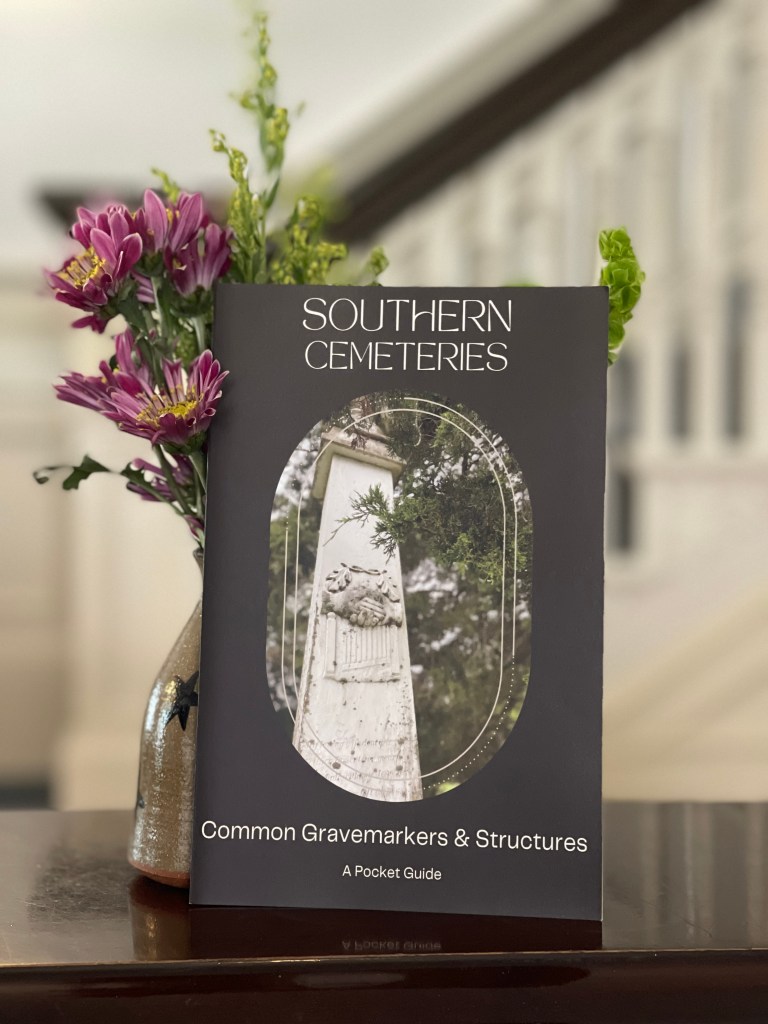

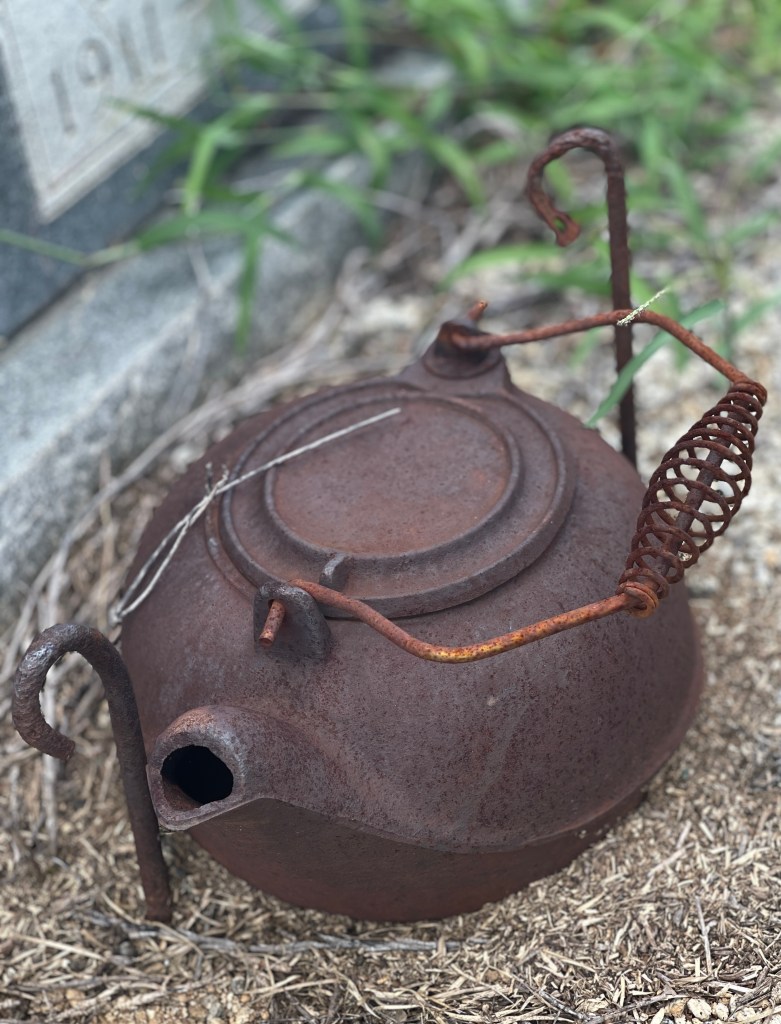
If you want to know more about cemetery finds like grave bells, curbing and grave goods (like the cast iron kettle above) then I do have a little book for ya. It’s in my ETSY shop and it comes with a bookmark and a sticker! $10 for the whole kit-&-caboodle. And I do have other stickers and some photos as well. Take a peek!
