
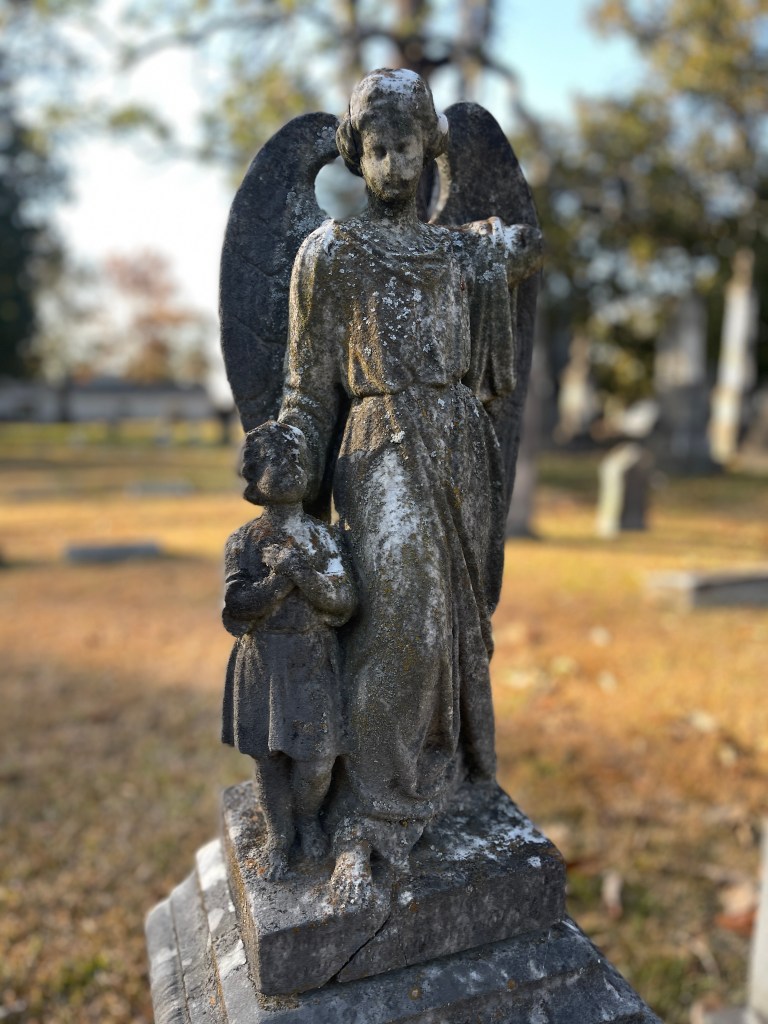
Fire on the mountains—
snakes in the grass.
Satan’s here a-billin;—
oh, Lordy, let him pass!
Stephen Vincent Benet
Benet is considered one the best-known American poets and his works about the South inspired both the movie Seven Brides for Seven Brothers and the song The Devil Went Down to Georgia. And while he isn’t buried in Augusta, Georgia he did live in the city for a number of his formative years and he gleaned a lot of inspiration for his writings from the local community.
It’s easy to see why…at least for me in the here and now. I love visiting the city for a variety of adventures (I’ll list them below) and for the cemeteries OF COURSE. This town is wayyy more than golf stuff (which I don’t care about but don’t tell my golf obsessed family members about that) and it has some amazing architecture.
It also has deep connections to the Civil Rights Movement including a pivotal and bloody riot that happened 55 years ago. There’s a Black Heritage Experience Museum and a trolley tour as well as murals, parks and walking maps highlighting the history of the community.
Speaking of cemeteries, as I often do to anyone and everyone who will listen, this last visit was my first trip to the historic Magnolia Cemetery! It had been closed for a long while during the hurricane cleanup and I’ve been keeping an eye on the progress. Most certainly not complaining about my wait because that storm was, and still is, devastating to people, communities, towns and historic structures. Can you believe it’s only been a little over year ago since Helene happened? And there’s still a lot of cleanup underway!


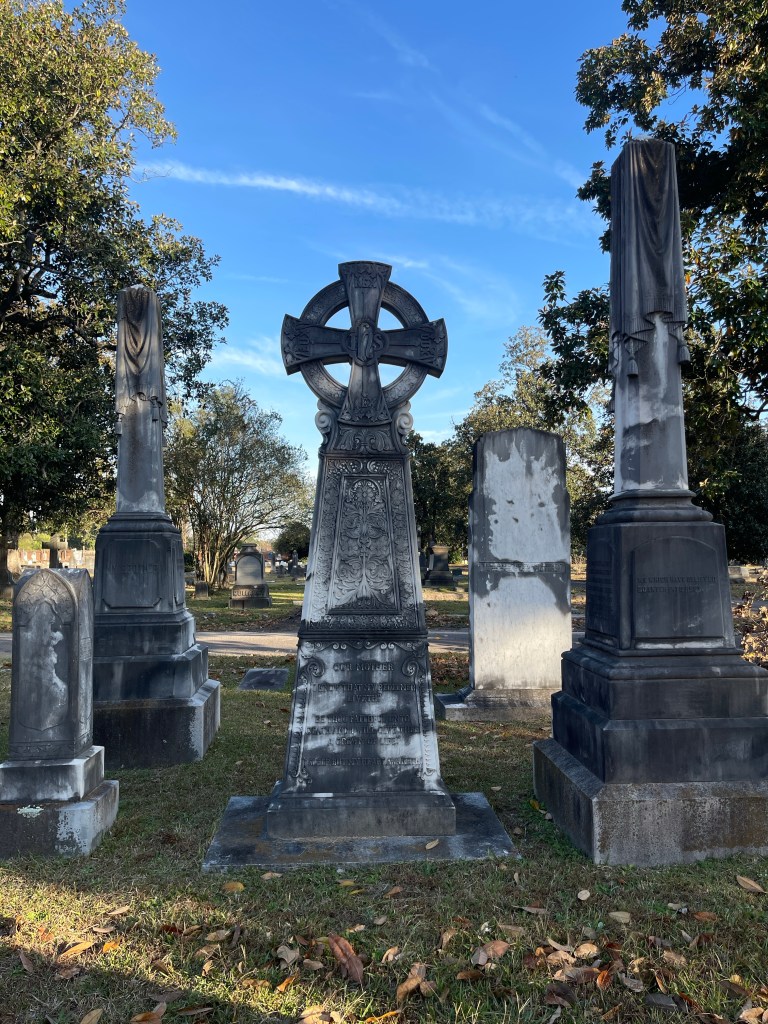
Magnolia Cemetery was officially founded in 1818 and is now at over 60 acres. There’s a Greek section, a Masonic Lodge section and five Jewish cemeteries within the boundaries. So, as you can imagine, this is one of the places where you have to make multiple trips to take it all in. Get ready for Second Peeks & Thirds Timers series from this one…


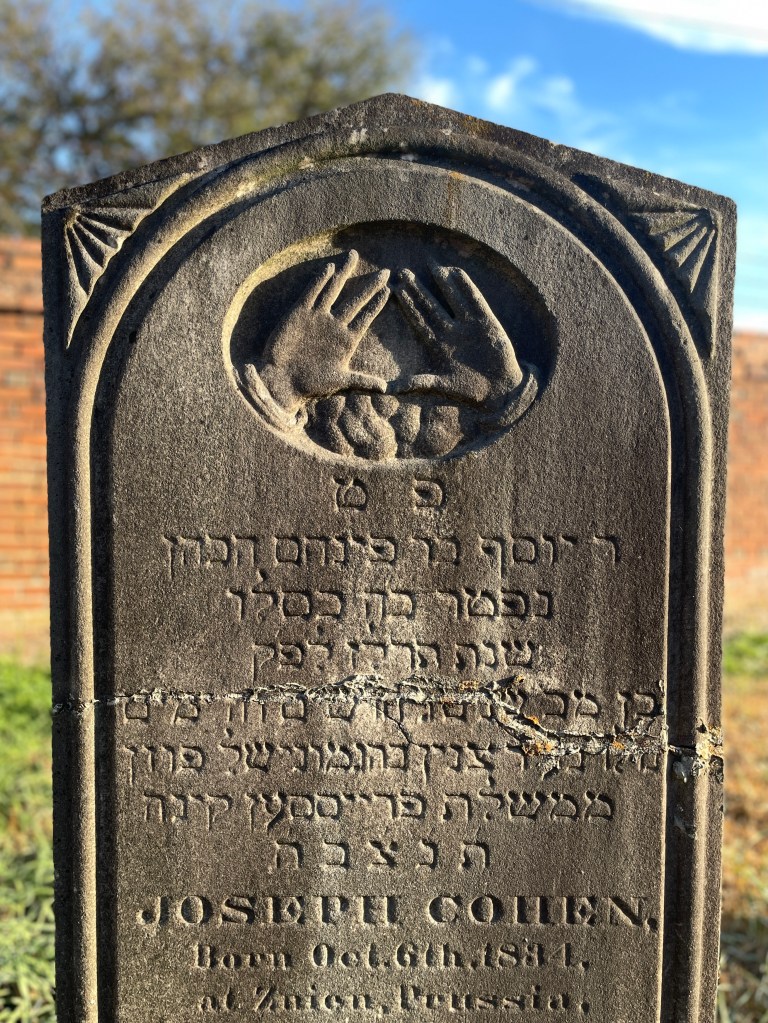
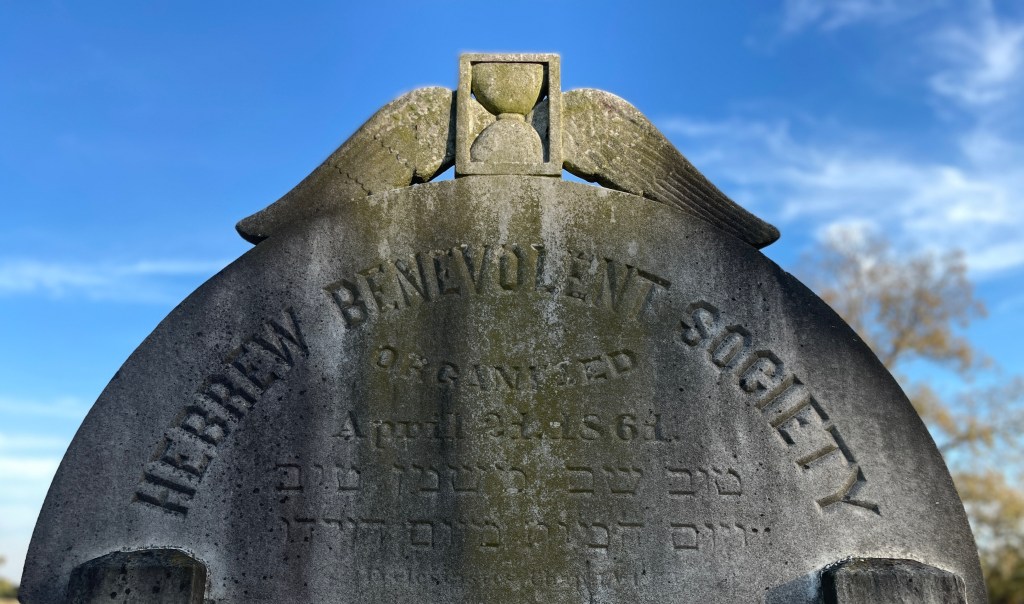
This is from one of the Jewish sections that I explored and it was relatively untouched from the hurricane…
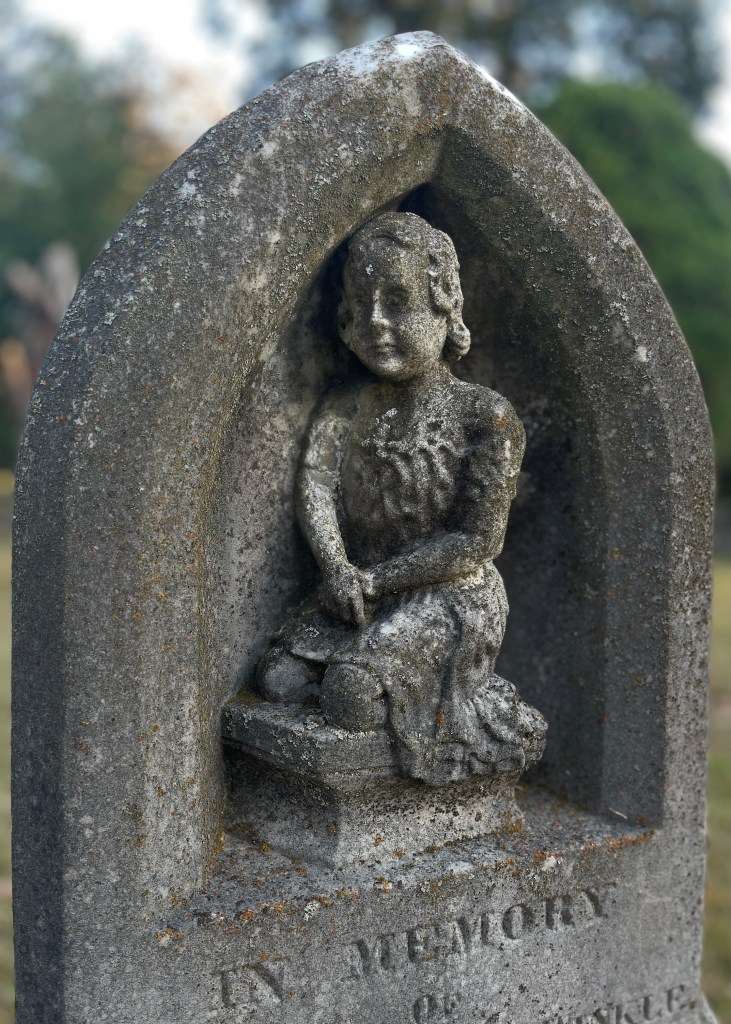


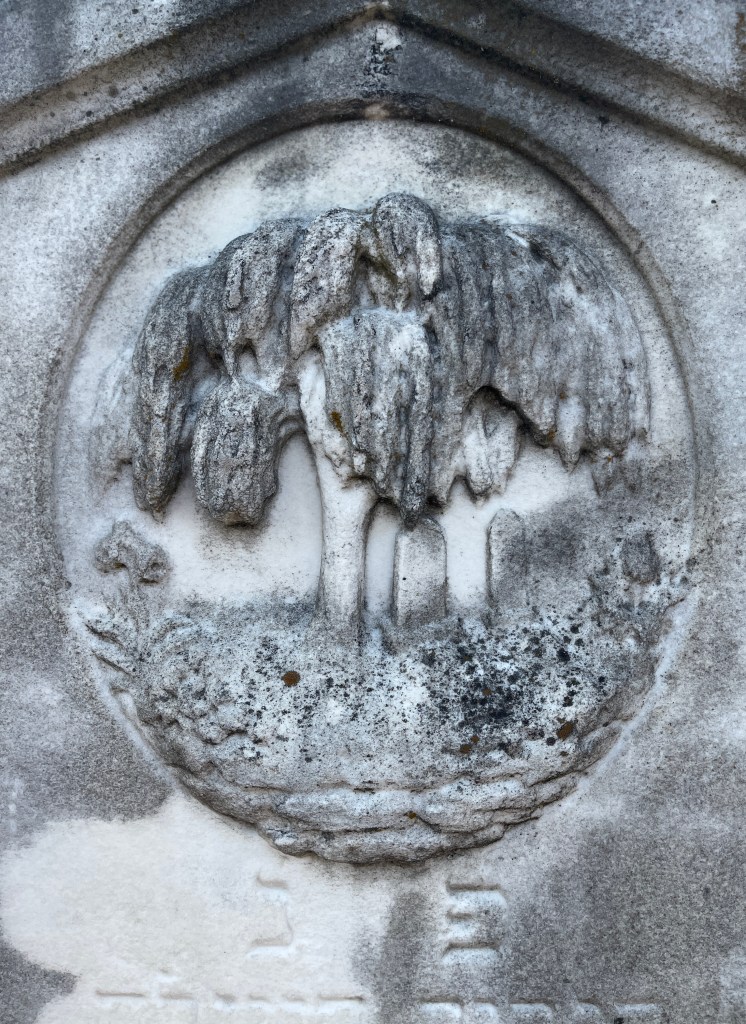


After an hour of exploring I’d barely made it past one of the ‘blocks’ because everywhere I turned there was something that caught my eye. This place is/was so rich with funerary art and imagery! I know I say this all the time with most of the cemeteries I visit, and every single time it’s true, but I can’t wait to come back and explore more. Wow.

The amount of damage done to the cemetery by Hurricane Helene is both shocking and heartbreaking. Dead limbs and trees are piled up by the brick fencing, and the landscape is scarred with the stumps of once lovely oaks and magnolias. And I lost count of how many graves and obelisks and cast iron fences were toppled or crushed. The above photo is what remains from a site bearing a classic colonnade that had survived over 100 years only to fall last year to wind and limbs. You can see the original here.
Despite the devastation that blew through Magnolia Cemetery, there was a small and scraggly tree that still stands. The (supposed and hotly contested) oldest (planted) tree in Georgia survived! The 180+ year old Crepe Myrtle that bears this claimed to fame still bloomed purple this past summer, a lovely flash of color amidst the slowly recovery greenery that surrounds it…
Next visit I’d plan to explore more of the Phinizy family who has nearby nature preserve named after them, find the mausoleum of Wylly Barron who was supposedly cursed by a dying gambler and the step over to Cedar Grove Cemetery right next door to visit the grave of Amanda America Dickson Toomer.
