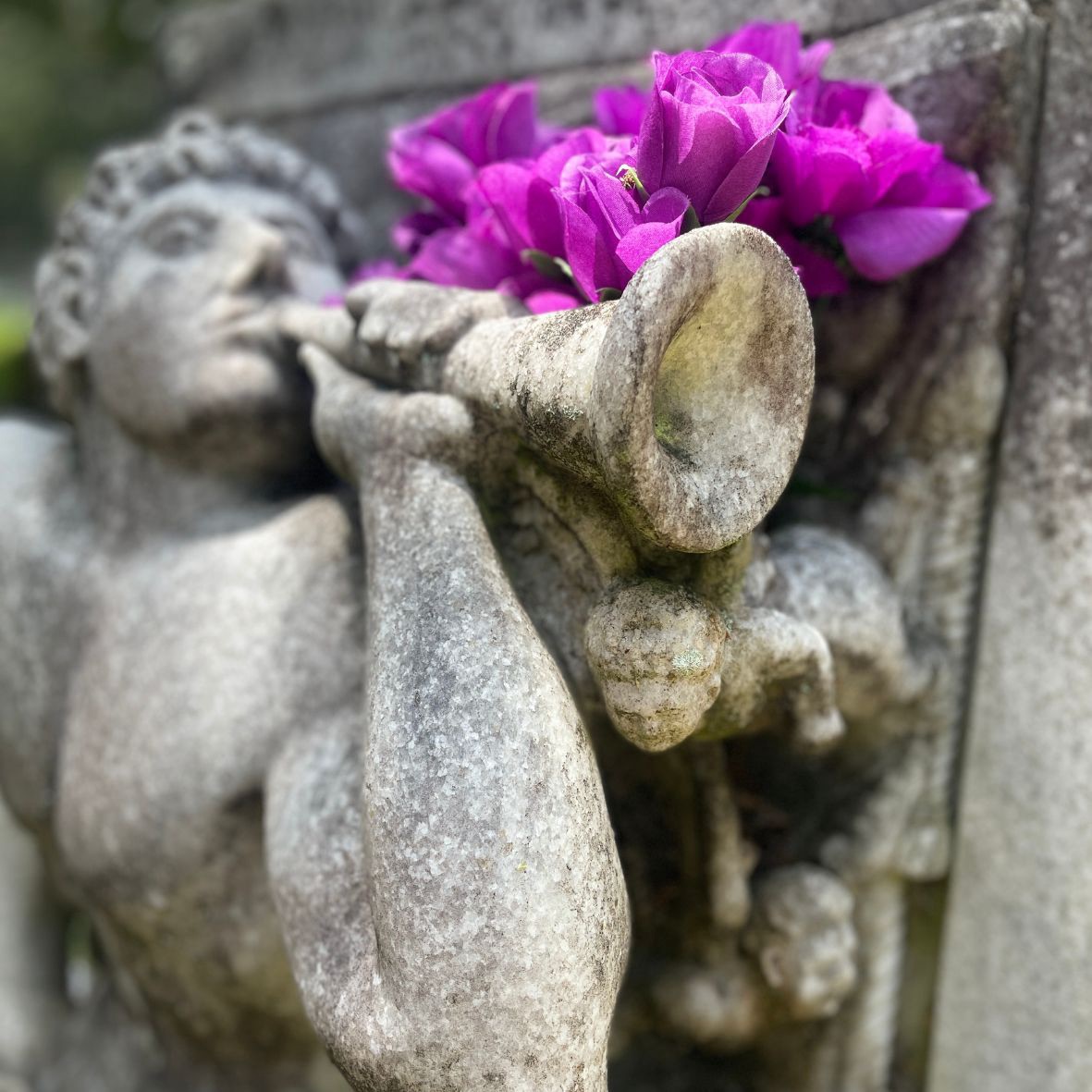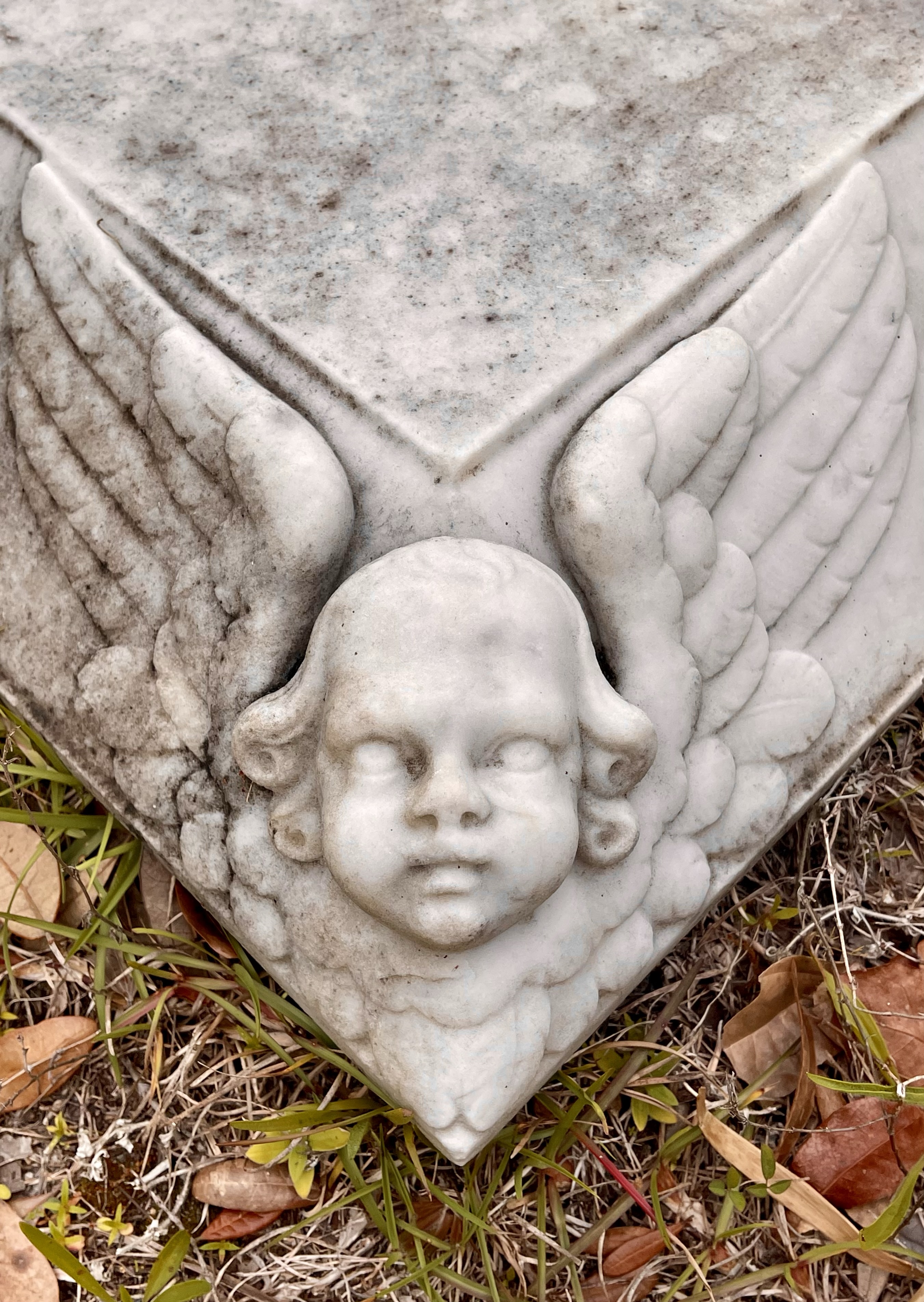
Oh, Floriography. I adore it. While I tend to focus more on the cemetery side (because yesss) that doesn’t mean that I skip over the fact that both stone and real flowers can convey messages from the heart.
And when I visit a cemetery I can see what stories were told about those who passed. The eternal emotional bouquet, if you will…
Victorian Era Floriography
The basis of it all is that each flower has a meaning but it can beyond that into colors and even which way the bloom is bundled. When I gather up flowers for bouquets I often think about what story I want to tell to my friends with this gift to them.
The early Victorian Era, known as the Gilded Age here in the USA, was peak floriography as we now know it, although the movement has a history going back eons to Turkey and beyond. Victorians are often depicted as having very strict and prudish social norms, and very definitive roles for mid- and upper-class women including gardening and floral arrangement. However, they were also known for being obsessed with both declarations of love and with sex. Floriography and other cryptic languages of expression were the perfect outlets for this type of ‘on the surface vs what’s below.’ You could use these languages to express love, both genteel and forbidden, or to send more, uh, steamyforthetime messages to someone.
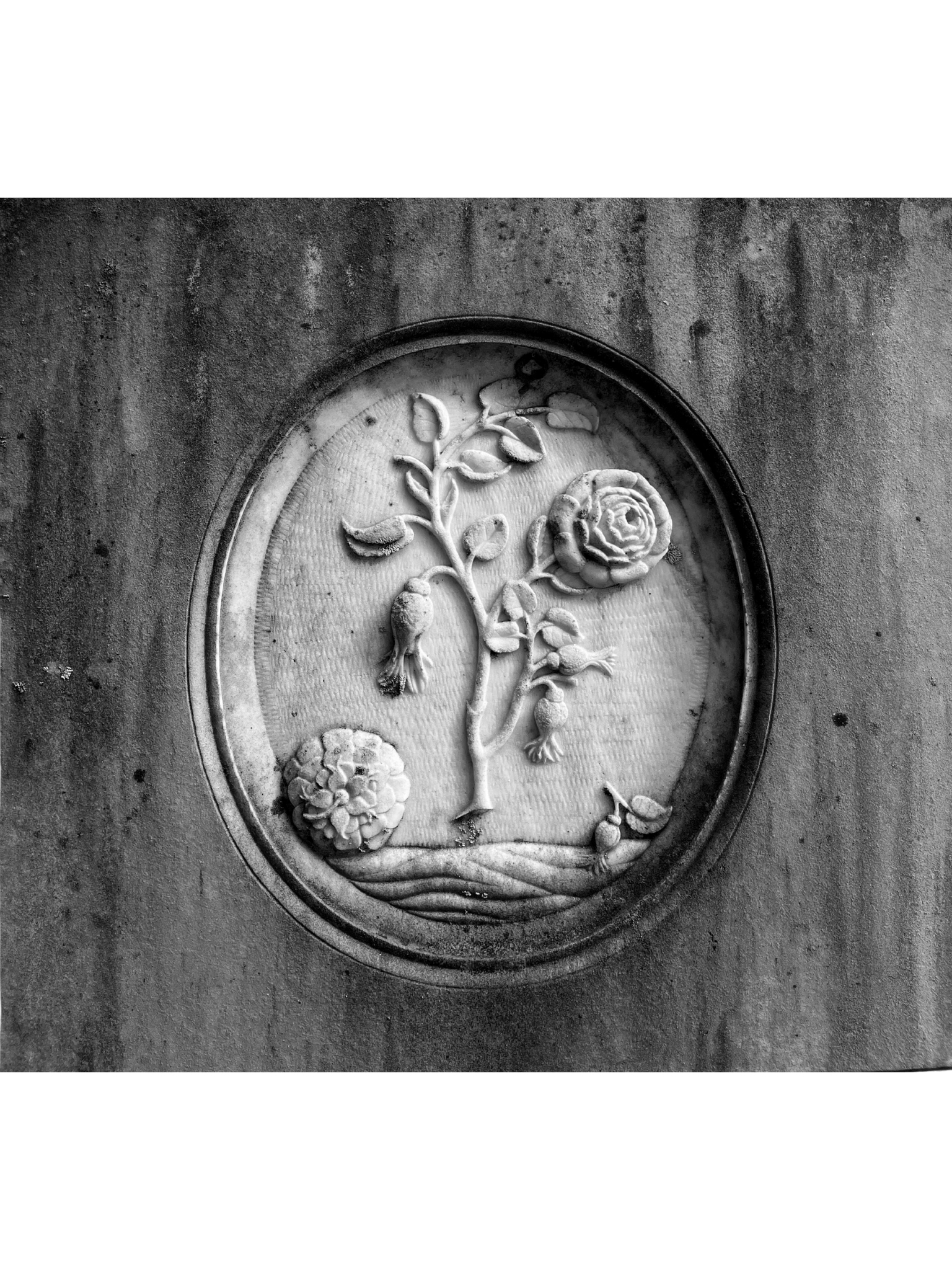
Flowers and funerary art go hand in hand due the fleeting nature of cut blooms and human life. And it seems a natural shift for the Victorian Era to move from not only the giving of real life flowers but to start carving them in stone for the dead. They so heavily favored symbolism as well as the idea of green spaces and gardens for expression! And many of the translations for the blooms cross over from bouquets, and there’s the addition of plants and trees and of all their meanings too. That makes for the ability to say quite a bit with a small amount of imagery and presentation.

This is a very short list of what you may find in a cemetery when you’re out and about. And it goes without saying that this list is not definitive. There are many more to include but that may be for another time. I included some of my favorite books at the bottom of the list if you’d like to research further…
Acanthus — Eternal life
Acorn — Strength
Anemone — Fleeting life
Aster — Patience
Bellflower — Mourning the departed
Buttercup — Gentle innocence
Camellia — Purity of character
Chrysanthemum — Honor
Cypress — Remembrance
Daffodil — Resurrection
Daisy — Innocence
Fern — Shelter
Forget-Me-Not — Remembrance
Gladiolus — Strength of moral character
Heather — Protection in the afterlife
Heliotrope — Devoted remembrance
Honeysuckle — Undying love
Hyacinth — Deep sorrow
Iris — Messages to heaven
Ivy — Enduring memory
Laurel — Spiritual protection
Lily-of-the-Valley — Restoration of happiness in the afterlife
Marigold — Grief & despair
Narcissus — Rebirth
Oak Leaves & Acorns — Strength & noble life
Palm Frond — Triumph of spirit
Primrose — Early death

Rose — Love that endures beyond death (full bloom)
Rosemary — Remembrance of the departed
Rue — Regret
Snowdrop — Hope after loss
Sweet Pea — Departure
Thyme — Courage and spiritual strength
Violet — Early death
Willow — Grief & lamentation
Wisteria — Passage of time
Yew — Mourning
And you can even insult people with flowers. Shoutout to petunias with their meaning you anger me. I have bucket list goal of finding a grave that uses this type of insult. Hatred hidden in plain sight!
Read & Watch to learn More
Want to give someone a bouquet that you made yourself? An example from a recent presentation for the Athens, Georgia chapter of Death Over Drafts shows that a collection of flowers purchased at the local grocery can be combined to create an arrangement for someone who is in mourning. A lovely sentiment to honor those who have died and to bring comfort to the living…
Often Used Flowers for Mourning Bouquets and/or Funerary Art
Rose
Frequently seen etched on gravestones. Buds, blooms & broken stems all have deeper meanings.
Baby’s Breath (Gypsophila)
Often used in floral arrangements to represent
everlasting feelings and pure of heart.
Aster
A late blooming plant that are closely tied with end of life, remembrance, patience, deep love and final farewells.
Carnation
Called the ‘flower of the gods’ due to its sturdy and long-lasting blooms, it also symbolizes memory eternal.
Sea Lavender
Another bloom that symbolizes an enduring remembrance. The color stays even after the blooms dry…
Pom Daisy
This flower is in the chrysanthemum family, which has a long and storied history in funerary Floriography. While white is the more traditional mourning color, a yellow bloom brings loving warmth and the hope for brighter days ahead to those carrying grief.

Read my short list of Cemetery Symbolism – Flowers, Plants & Critters.
Excellent short article Written in Petals here.
As for books, I’d personally recommend this one to get started, this one for more about the folklore and meaning, and this one for cultures around the world.
What about YouTube? Go here for a quick video with lots of Victorian Era imagery.
Like podcasts? I got ya! Things You Should Know and Dressed: History of Fashion have fun and informational shows on the topic.
I have two Floriography zines available – Fuck You Floriography – this one if for your enemies and frenemies! – and Victorian Era Funerary Floriography. You can get them free with any purchase either here or here. I’ll also have them available at upcoming Floriography classes in September. For the latter, visit the waitlist!