“All are welcome to worship in the deep woods with us.”

Directly from their website:
It all began in 1797 with a log cabin as the original church structure. At that point in time, the Cherokees had recently ceded the land that became Banks county in the Long Swamp Treaty of 1783. However, the
IndiansNative Americans were immediate neighbors to the west of Hebron’s area and, there being no obvious border between Cherokee and Georgia property, hostilities were still frequent in the Georgia back country. Everyone brought rifles to the services and sentries were posted.The little church prospered and by 1800, the congregation needed a new church building. A new church was erected where the old one stood and in 1805, the owner of the property donated seven acres to the church for a total of ten cents. It was a simple frame structure with open windows and shutters. Glass windows and ceiling were not added until 1860. The church continued to grow and in 1884, the second structure was replaced with the one that stands today. However, some artifacts from the older church are still being used today.
To a great extent, the current church owes its long existence to the Rev. Groves Harrison Cartledge, whose portrait still hangs in the sanctuary. During the early 1800’s membership had started to decline as many of the original settlers joined the western migration into Alabama and beyond. In 1851 the membership had dwindled to 43 congregants. Enter the Rev. Cartledge. His legacy is twofold i.e. he opened the Hebron School in 1855 and he reversed the decline in church membership. It was also during Rev. Cartledge’s ministry that the current church was built in 1884, ‘of pine logs so big it took four oxen to drag them to the mill’. Rev. Cartledge went on to serve as Hebron’s minister for 47 years and during that time added 134 members to the church roles. He died in 1899 and is buried in the center of the cemetery, remembered as one of the most influential Presbyterian ministers in Georgia.
Over the years the church changed very little. It wasn’t until the 1940’s that electricity arrived and 1951 that the wood stove was replaced with gas heat. The road to the church was not paved until 1962, and in 1969 indoor restrooms were installed. Hebron Presbyterian remains a glorious reminder of our past and the sturdy Scottish Highlanders who lived and died here.
Of note, Hebron is mentioned numerous times in Olive Ann Burn’s* 1984 book Cold Sassy Tree. For example, one passage reads, “Grandpa said, ‘You know good’n’ well we use thet wagon ever fourth Sunday to go to Hebron for preaching…’ ‘We’ll be back long fore time for Hebron, Grandpa.’”. historichebron.org
*More on Olive Ann Burns via my Instagram.

The church holds services regularly [twice monthly at starting at 9 a.m. with an 11 a.m. service] and they still serve communion on those long stone tables outside every 1st Sunday!

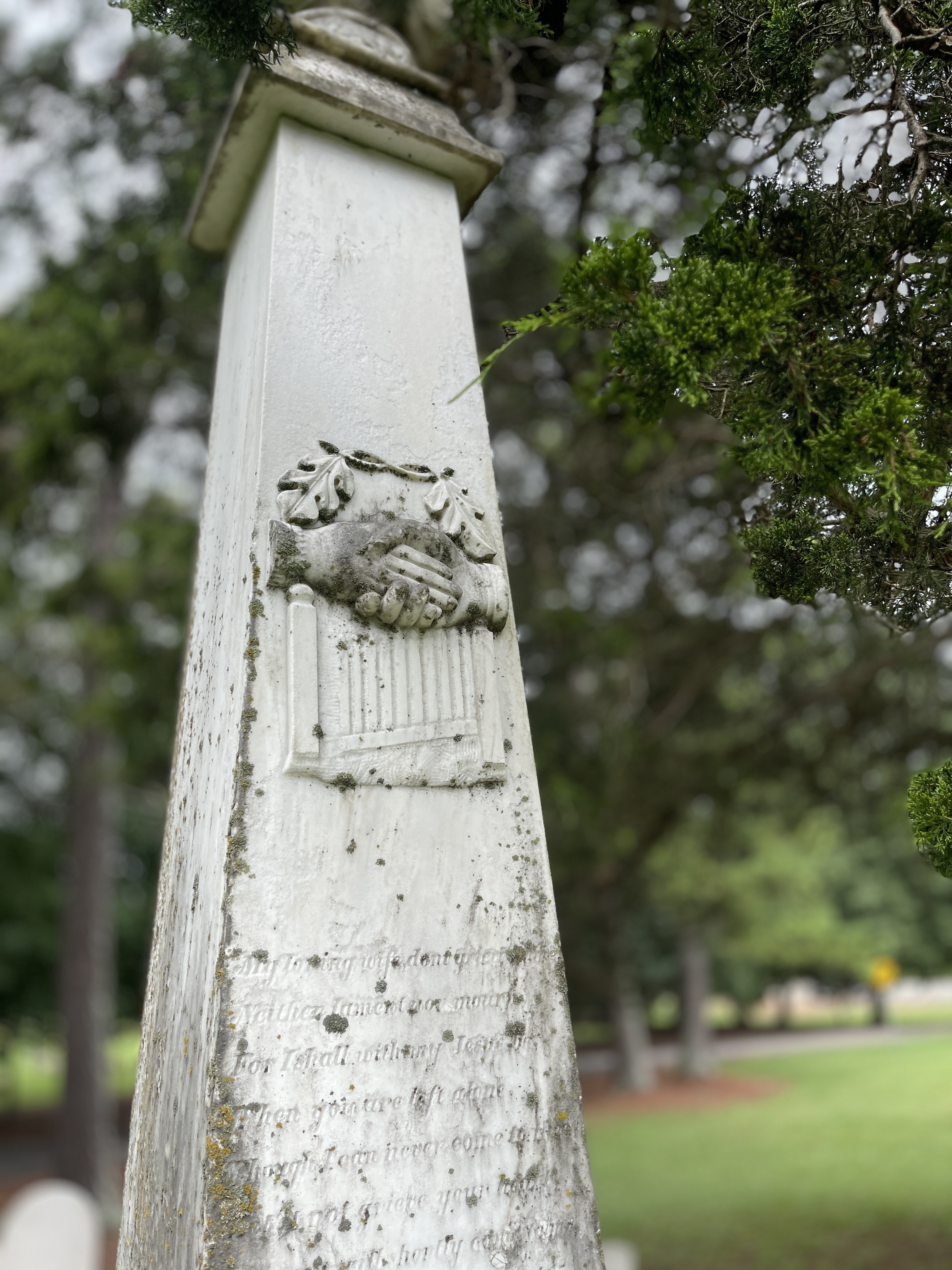
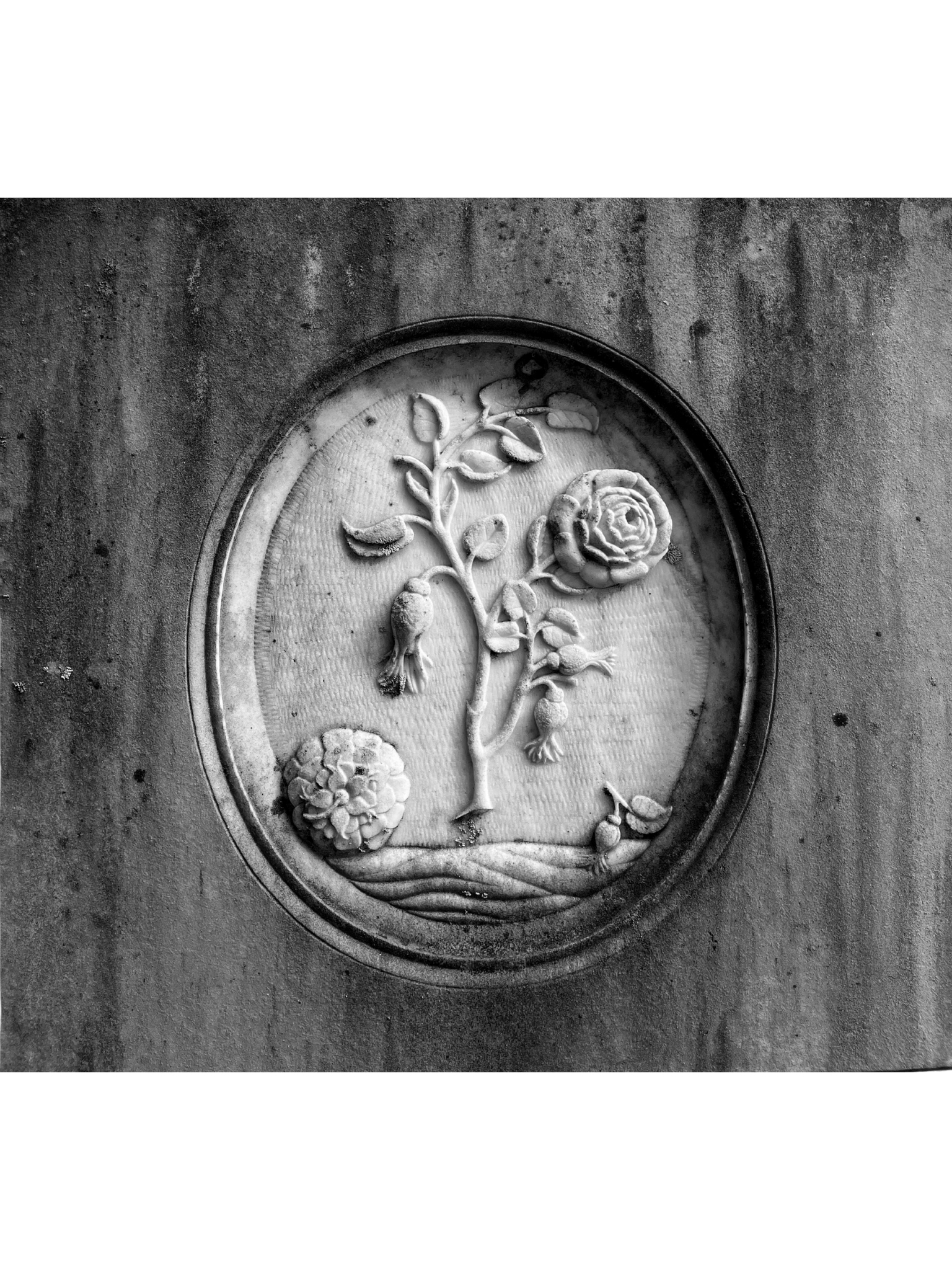
And for the cemetery you’ll find that it is a reflection of the many years involving this church. Almost every style represented but a large focus on older styles such as head and shoulder gravestones, comb graves, field stones and rock cairns being the most prevelant.

The slideshow [click it] and videos below bring a much broader scope to the place…


There is another cemetery down the way which is aptly named First Original Hebron Presbyterian Church Cemetery where there are a small number of graves. The church continues to maintain that land as well. It is fenced off from visitors…